

Esophagus & Stomach Surgery
Health issues with the food pipe require special treatment. If you are having persistent heartburn, swallowing problems, or any other symptoms of esophageal cancer, then you need to consult an experienced surgeon. Dr Arindam Ghosh has over 25 years of experience and has performed over 12,000 gastrointestinal procedures and 400-plus gastroesophageal surgeries across three hospitals in Dubai and Sharjah.
Conditions
The esophagus which is also spelled “oesophagus” is the muscular tube that carries food from the throat to the stomach. When its lining, muscle, or the valve at its lower end stops working properly, it can cause daily discomfort or a life-threatening tumour. Here are its most common conditions.
Stomach acid that flows back up the food pipe can cause heartburn, regurgitation, and burning in the chest. If it is left untreated for years, it can affect the lining.
It is the part of the stomach that is pushing up through the diaphragm. This condition can damage the anti-reflux barrier and is also one of the stubborn GERD symptoms.
This is a swallowing disorder where esophageal nerves are damaged, which prevents the lower valve from opening and pushing food into the stomach.
The change in the lining occurs due to long-standing reflux and carries a risk of cancer, so it needs immediate attention.
This condition occurs due to narrowing from acid damage, scarring after corrosive injury, or Schatzki’s rings. All of these causes can make solid food stick.
Adenocarcinoma develops near the stomach junction, and squamous cell carcinoma is one of its histological types. Early surgery offers the best chance of controlling the disease.
Symptoms
One symptom could be harmless, but if you are experiencing several symptoms together, then you need a proper medical examination.
Causes & risk
Some esophageal issues occur due to mechanical weakness, like valves that no longer seal or a hiatal hernia. Other problems build up over years of irritation. Some common risks include:
Diagnosis
A clear diagnosis appear before any surgery. Most patients need only one or two of these tests to check the condition of food pipe.
A thin camera passed through the mouth looks directly at the lining and takes tissue samples. This is the main tool for reflux damage, Barrett's and tumours, and it sits within our wider endoscopy and diagnostic service.
A contrast X-ray that shows narrowing, pouches, and how smoothly liquid travels down, useful for esophageal stricture and achalasia.
Pressure and acid measurements that confirm how the muscle and valve behave and it is important before any anti-reflux or achalasia surgery.
For confirmed cancer, scans map the depth of the tumour and any spread, so the team can plan the safest sequence of treatment.
Treatment
Not every esophageal problem ends in the operating theatre. Mild reflux often settles with medication and lifestyle changes. Surgery becomes the right option when symptoms resist treatment, when a hernia or stricture is mechanical, or when cancer needs to be removed. The main surgical options are given below.
When medication no longer controls GERD, or a patient does not want to depend on tablets for life, the valve can be rebuilt. Fundoplication wraps the top of the stomach around the lower esophagus to restore the barrier, usually as a Nissen or Toupet wrap done through keyhole incisions. A hiatal hernia is repaired at the same time. For selected patients, a transoral incisionless approach avoids external cuts altogether. This work overlaps closely with our dedicated reflux and GERD surgery service.
Achalasia is treated by releasing the tight lower muscle, a laparoscopic Heller cardiomyotomy, so the esophagus can empty again. Narrowed segments and rings can often be widened with endoscopic dilatation, and awkward blockages held open with a stent when surgery is not the first step.
Removing the affected part of the food pipe, an esophagectomy, remains the core curative treatment for esophageal cancer. The diseased segment and nearby lymph nodes are taken out through a Lewis-Tanner (Ivor Lewis) or McKeown approach with a two-field lymphadenectomy, then the digestive tract is rebuilt so swallowing can continue. As an experienced esophagus cancer surgeon, Dr Ghosh plans each case alongside oncology, and this sits within his broader GI cancer surgery practice.
When a long segment is destroyed by cancer, severe stricture or corrosive injury, a new conduit is built from the stomach (a gastric pull-up) or from a length of colon (colonic interposition). These are demanding operations that reward a surgeon who does them regularly and has a team ready for complex cases.
Technique
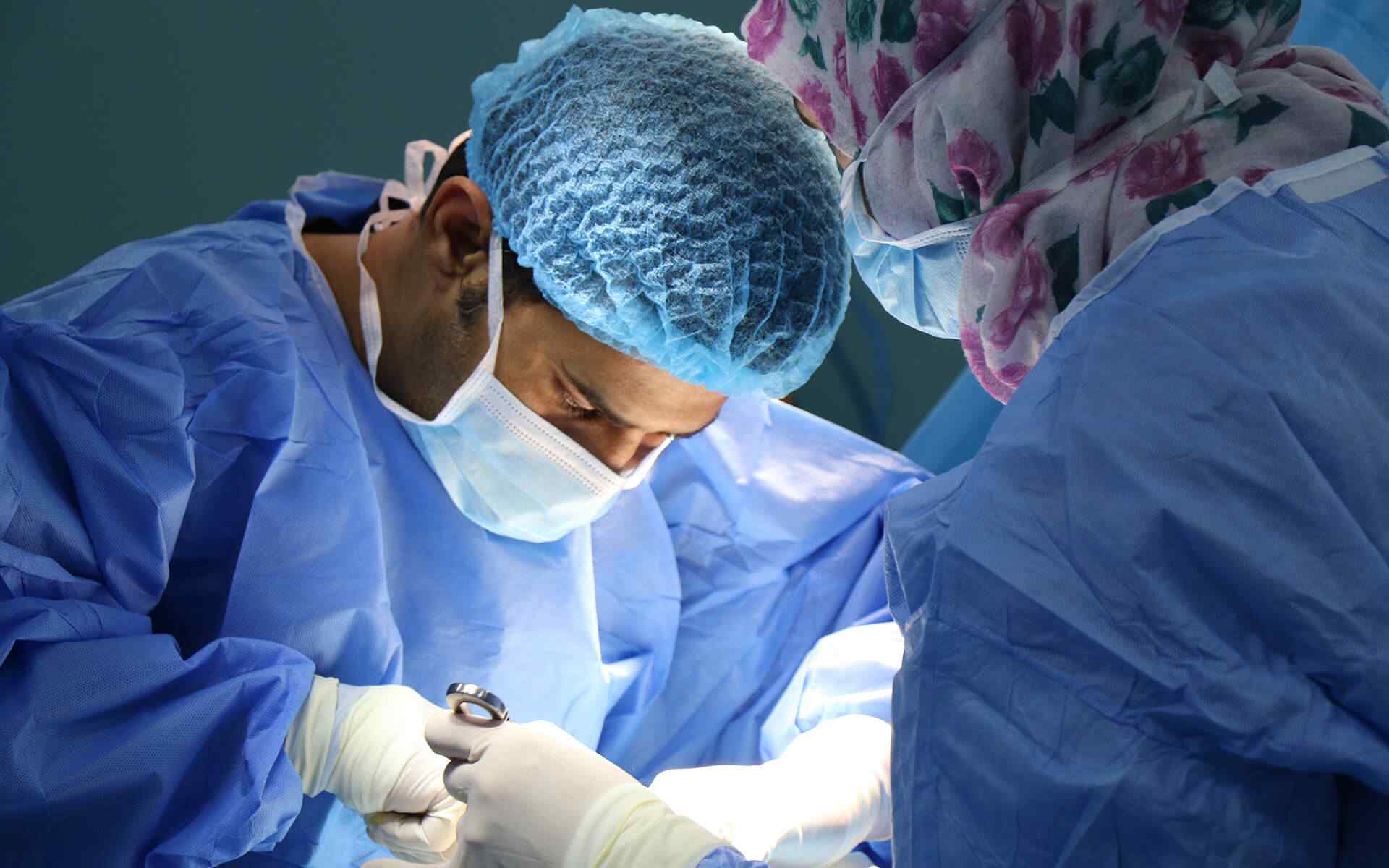
Most esophageal and anti-reflux operations are done through small incisions rather than a large open wound. As a certified robotic surgeon and one of the first licensed consultant GI surgeons in the UAE, Dr Ghosh uses laparoscopic and robotic surgery where they genuinely help. For patients that usually means:
Recovery
What you can expect entirely depends on your operation. A keyhole anti-reflux repair often means one or two nights in hospital and a return to desk work within a couple of weeks. A cancer esophagectomy is bigger, with a longer stay and a staged return to eating. Diet moves forward gradually, and the clinic guides you through each step.
Sips build up to free fluids as the joint and the swelling settle, with pain kept under control.
Small, frequent, and soft meals are recommended after the surgery. Eating slowly and sitting upright afterward keeps things comfortable.
It takes time to start consuming regular foods. Portions stay smaller than before, especially after reflux or cancer surgery.
Planned checks confirm healing, monitor nutrition, and help in cancer care. It ensures that everything remains fine in the longer run.
Self-care
These habits reduce the chance of ever needing surgery and support recovery afterward.
For patients whose symptoms are still mild, here is our guide to managing acid reflux without surgery that provides more detail on diet and daily routine.
Access & logistics
The practice works with DAMAN, BUPA Arabia, AXA Gulf and Oman Insurance, alongside self-pay. The team helps check what your policy covers before you commit.
Patients come from across the GCC, South Asia and Europe for complex GI surgery. Medical visa and travel support make the journey and the paperwork easier.
Consultations are held at Emirates Hospital Jumeirah, Emirates Speciality Hospital in Dubai Healthcare City, and NMC Royal Hospital in Sharjah, so care is within reach whether you are in Dubai, Sharjah, or arriving from abroad.
A consultant gastrointestinal, colorectal, and laparoscopic surgeon, and one of the first licensed consultant GI surgeons in the UAE, Dr Ghosh handles various food pipe issues from reflux through to complex cancer. Whether it is diagnosis, surgery, or follow-up, you can get everything from one specialist.
FAQ
Most reflux is controlled with medication and lifestyle change. Surgery is considered when tablets stop working, when symptoms return the moment you stop them, or when a hiatal hernia is driving the problem. A consultation and a few tests will show which group you fall into.
It depends heavily on the stage at diagnosis. When the cancer is found early and removed completely, surgery offers a real chance of cure. In more advanced cases, chemotherapy before surgery can improve outcomes, and even when cure is not possible, treatment can control the disease and protect quality of life. This is why acting on early symptoms matters so much.
A keyhole anti-reflux operation usually means one to two nights in hospital and a return to light activity within a couple of weeks. A cancer esophagectomy is a larger procedure with a longer hospital stay and a staged return to eating over several weeks. Your surgeon will give you a timeline specific to your operation.
Diet moves forward in stages: clear and free fluids first, then soft and pureed food, then a gradual return to solids over three to six weeks. Meals stay smaller and more frequent than before, particularly after reflux or cancer surgery. The clinic gives you a written plan and reviews it as you heal.
Wherever it is safe, yes. Most anti-reflux and many cancer procedures are done laparoscopically or with robotic assistance, which means smaller scars, less pain and a faster recovery. Open surgery is still used when a particular case calls for it, and that decision is always explained to you first.
Waiting rarely improves an esophageal problem. Reflux damage can progress toward Barrett's changes, a small and removable tumour can grow into an advanced one, and nutrition suffers as swallowing gets harder. A problem that could have been solved with keyhole surgery can become major open surgery. Early assessment keeps your options open.
Yes. The practice works with DAMAN, BUPA Arabia, AXA Gulf and Oman Insurance, as well as self-pay patients, and the team helps confirm your cover in advance. Patients travelling from the GCC, South Asia and Europe are welcome, with medical visa and travel support to smooth the trip. Consultations are available in both Dubai and Sharjah.
Whether it is stubborn reflux, trouble swallowing, or a cancer diagnosis that needs a plan, an early consultation is the fastest way to know where you stand.
We bring the years, global experience, and stamina to guide our clients through new and often disruptive realities.